
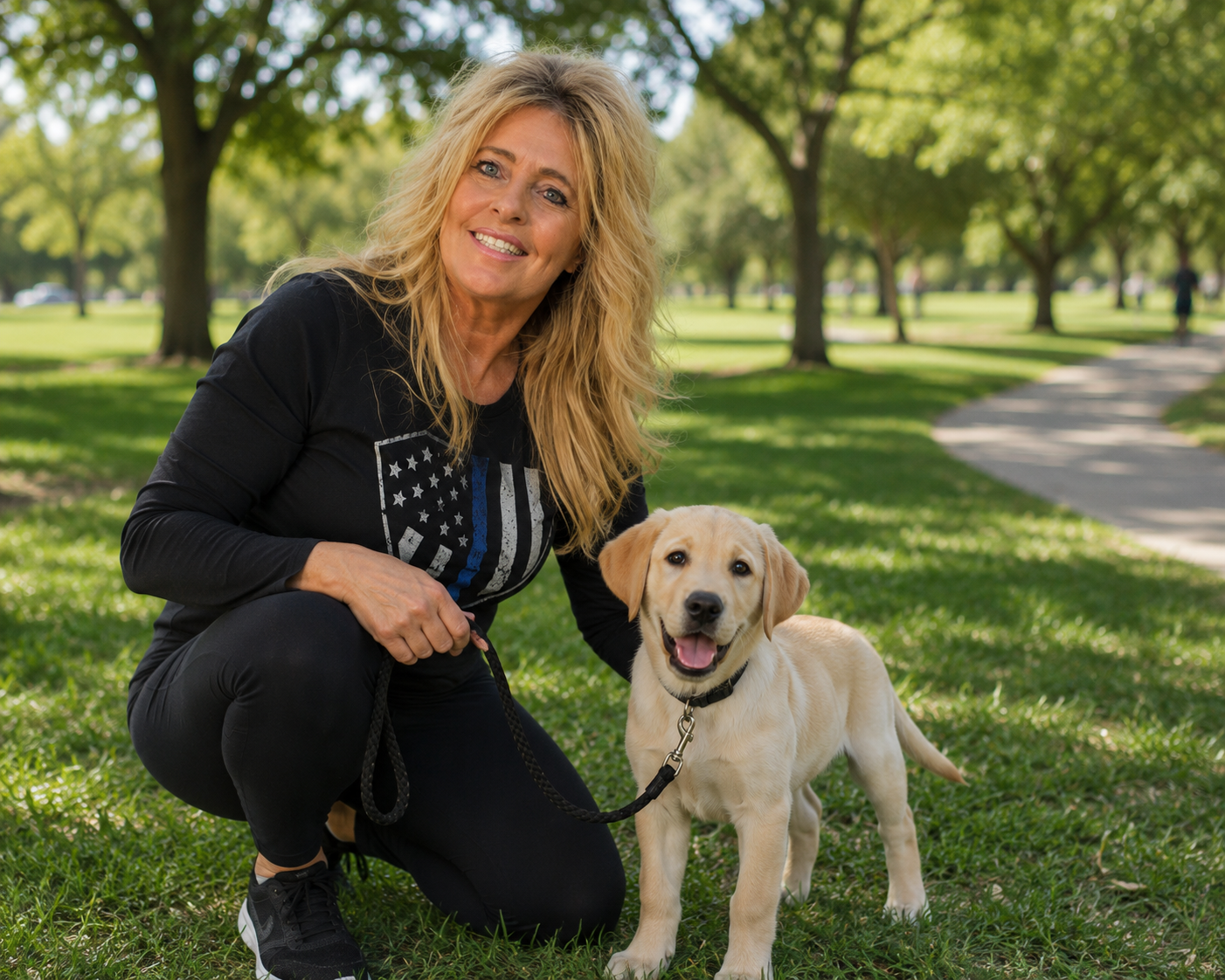
Dog Training Near Me: 15 Smart Tips for Finding the Right Trainer for Your Dog
When you search for Dog Training Near Me, you’re not simply looking for someone to teach your dog how to sit or stay. You’re searching for a professional who can help build a stronger relationship between you and your dog while addressing behavioral challenges, improving obedience, and creating a happier home environment.
Whether you’ve recently brought home a playful puppy, adopted an older rescue, or are struggling with leash pulling, excessive barking, or poor recall, finding the right local dog trainer can make all the difference. Professional training provides structure, consistency, and personalized guidance that helps dogs of every age become confident, well-mannered companions.
The good news is that there are many qualified trainers offering everything from private lessons and in-home coaching to group obedience classes and specialized behavior modification. Knowing what to look for ensures you choose a trainer whose methods align with your goals and your dog’s personality.
In this guide, you’ll discover practical tips for finding trusted local trainers, understanding different training methods, and making the most of your investment.
1. Know What Type of Training Your Dog Needs
Before choosing a trainer, identify the specific goals you want to accomplish.
Different dogs require different approaches depending on their age, temperament, and experience.
Some common training services include:
- Puppy training
- Basic obedience
- Advanced obedience
- Behavior modification
- Leash training
- Recall training
- Crate training
- Socialization
- Aggression management
- Service dog foundations
A puppy may simply need guidance with manners and socialization, while an adult rescue dog might benefit from confidence-building exercises and behavior rehabilitation.
Understanding your goals helps narrow your search and ensures you select a trainer with the appropriate expertise.
2. Choose Trainers Who Use Positive Reinforcement
Modern dog training focuses on rewarding behaviors you want rather than punishing mistakes.
Positive reinforcement has become the preferred approach because it encourages learning while strengthening trust between dogs and their owners.
Common rewards include:
- Healthy treats
- Toys
- Praise
- Playtime
- Affection
- Real-life rewards like going outside or greeting people
Dogs learn faster when they associate training with enjoyable experiences.
A trainer who emphasizes encouragement, patience, and consistency is more likely to help your dog develop lasting habits while maintaining confidence.
3. Look for Experience With Your Dog’s Needs
Not every trainer specializes in the same areas.
Some excel with energetic puppies, while others focus on fearful dogs, reactive behavior, or advanced obedience.
Ask questions such as:
- How long have you been training dogs?
- What breeds do you commonly work with?
- Have you handled dogs with similar behavior challenges?
- What training methods do you use?
- How do you measure progress?
Experienced trainers understand that every dog learns differently and will customize lessons instead of following a one-size-fits-all program.
4. Read Reviews and Testimonials
One of the easiest ways to evaluate local trainers is by reading reviews from previous clients.
Look for comments that mention:
- Professionalism
- Communication
- Reliability
- Visible improvements
- Friendly coaching
- Humane training methods
Consistent positive feedback often indicates that a trainer has successfully helped many dog owners achieve their goals.
Photos and videos showing before-and-after progress can also provide valuable insight into a trainer’s effectiveness.
5. Ask About Training Programs
Professional trainers often offer several program options to fit different schedules and learning styles.
Common choices include:
Private Lessons
Ideal for owners seeking personalized attention and customized training plans.
Group Classes
Excellent for improving obedience while practicing around distractions and other dogs.
In-Home Training
Allows trainers to address behaviors occurring inside your home, such as jumping on guests, excessive barking, or counter surfing.
Board and Train
Your dog stays with the trainer for an intensive learning experience before returning home with follow-up instruction for the family.
Each option offers unique advantages depending on your goals and your dog’s personality.
6. Observe How the Trainer Interacts With Dogs
A skilled trainer should demonstrate patience, calm communication, and excellent timing.
Watch how they:
- Reward good behavior
- Redirect mistakes
- Handle distractions
- Explain techniques
- Communicate with owners
Dogs should appear engaged and comfortable rather than fearful or confused.
Training should build confidence while encouraging your dog to think and learn.
7. Prioritize Early Puppy Training
Puppies learn rapidly during their first several months of life.
Early training helps establish lifelong habits before unwanted behaviors become difficult to change.
Puppy classes often include:
- Potty training guidance
- Crate training
- Name recognition
- Basic obedience
- Leash introduction
- Bite inhibition
- Confidence building
- Socialization with people and other dogs
These early experiences help puppies grow into well-adjusted adult dogs that are comfortable in a variety of situations.
8. Ask How Progress Is Measured
Successful training involves more than simply attending weekly lessons.
A quality trainer should provide measurable goals, such as:
- Reliable sit and stay commands
- Improved leash manners
- Reduced jumping
- Better recall
- Calm greetings
- Increased focus around distractions
Owners should also receive homework between sessions to reinforce new behaviors at home.
Consistency outside of formal lessons is one of the biggest factors influencing long-term success.
9. Ask the Right Questions Before Hiring a Dog Trainer
Not all trainers use the same methods or offer the same level of experience. Before committing to a training program, schedule a consultation or phone call to learn more about their approach.
Consider asking questions like:
- What training philosophy do you follow?
- How long have you been working with dogs?
- Do you specialize in puppies, adult dogs, or behavior modification?
- What results can I realistically expect?
- How much owner participation is required?
- How do you handle fearful or reactive dogs?
- What happens if my dog needs additional sessions?
A knowledgeable trainer will happily answer your questions and explain their methods without making unrealistic promises.
10. Understand Common Behavior Problems
Many owners begin searching for Dog Training Near Me because of frustrating behaviors that disrupt daily life. Fortunately, many of these issues can be improved through consistent training and patience.
Pulling on the Leash
Dogs naturally want to explore, but constant pulling makes walks stressful. Trainers teach dogs to walk politely using positive reinforcement and clear communication.
Excessive Barking
Dogs bark for many reasons, including excitement, boredom, fear, or alerting their owners. Identifying the cause helps create an effective training plan.
Jumping on People
Jumping often develops because dogs receive attention for doing it. Teaching calm greetings and rewarding four paws on the floor quickly improves manners.
Poor Recall
A dog that ignores the “Come” command can create dangerous situations. Professional trainers build reliable recall through gradual practice and rewarding successful responses.
Separation Anxiety
Dogs experiencing anxiety when left alone may bark, chew, or become destructive. A structured behavior modification plan can help them become more comfortable with independence.
11. Practice at Home Every Day
Even the best trainer cannot achieve lasting results without owner involvement.
Dogs learn through repetition and consistency, so daily practice is essential.
Simple opportunities include:
- Asking your dog to sit before meals
- Practicing “Stay” before opening doors
- Rewarding calm behavior during walks
- Calling your dog throughout the day for quick recall practice
- Reinforcing loose-leash walking during every outing
These small training moments become habits that strengthen your dog’s obedience over time.
12. Socialization Builds Confidence
Socialization is about more than meeting other dogs.
A confident dog should become comfortable experiencing different environments, sounds, people, and situations.
Introduce your dog to:
- Neighborhood walks
- Busy sidewalks
- Children
- Visitors
- Grooming appointments
- Car rides
- Outdoor cafés
- Parks
- Different flooring surfaces
- New sounds and smells
Positive experiences during socialization help reduce fear and increase confidence throughout your dog’s life.
13. Avoid These Common Mistakes
Owners sometimes unintentionally slow their dog’s progress.
Here are mistakes to avoid:
Being Inconsistent
Everyone in the household should use the same commands and expectations.
Expecting Instant Results
Training takes time. Celebrate steady improvement instead of expecting perfection after only a few sessions.
Skipping Practice
Weekly lessons alone aren’t enough. Daily reinforcement is essential for long-term success.
Using Punishment
Harsh corrections often create fear and confusion rather than genuine learning. Positive reinforcement encourages dogs to repeat good behavior willingly.
Choosing Based Only on Price
The least expensive trainer isn’t always the best value. Experience, communication, and proven results often matter far more than the initial cost.
14. Signs You’ve Found the Right Local Trainer
A great trainer doesn’t just teach your dog—they teach you how to communicate more effectively with your pet.
Look for these positive signs:
- They explain every exercise clearly.
- They encourage questions.
- They customize lessons for your dog’s personality.
- They use reward-based techniques.
- Your dog enjoys training sessions.
- You notice gradual improvement.
- They provide homework between lessons.
- They celebrate progress while setting realistic expectations.
Successful trainers build confidence in both dogs and owners.
15. Why Professional Dog Training Is Worth the Investment
Professional training offers benefits that extend far beyond obedience commands.
A well-trained dog is more enjoyable to live with and can safely participate in many everyday activities.
Benefits include:
- Stronger bond between owner and dog
- Better communication
- Safer off-leash reliability
- Improved confidence
- Easier veterinary visits
- More enjoyable walks
- Better behavior around guests
- Reduced stress for the entire family
- Greater freedom during travel and outdoor adventures
Investing in training early often prevents larger behavioral issues that can become more difficult—and more expensive—to address later.
Frequently Asked Questions
How do I choose the best dog trainer near me?
Look for a trainer who uses positive reinforcement, has experience with your dog’s specific needs, provides clear communication, and has strong client reviews. A consultation can help determine whether their training style matches your goals.
When should I start training my puppy?
Training should begin as soon as your puppy comes home. Early lessons in socialization, potty training, crate training, and basic obedience create a strong foundation for future learning.
Can older dogs still be trained?
Yes. Adult and senior dogs can successfully learn new behaviors and commands. While older dogs may take a little longer to replace established habits, consistent training can produce excellent results at any age.
How often should my dog attend training?
Most dogs benefit from one professional lesson each week combined with short daily practice sessions at home. Consistency is more important than lengthy training sessions.
Is private training better than group classes?
It depends on your goals. Private lessons provide individualized instruction and are ideal for addressing specific behavior issues, while group classes offer valuable socialization opportunities and help dogs learn to focus around distractions.
Final Thoughts
Searching for Dog Training Near Me is the first step toward creating a happier, healthier relationship with your dog. Whether you have a young puppy learning basic manners or an older dog working through behavioral challenges, choosing the right trainer can make a lasting difference.
The best trainers focus on positive reinforcement, clear communication, and individualized instruction that helps both dogs and owners succeed. By practicing consistently at home, setting realistic expectations, and remaining patient throughout the learning process, you’ll build trust while encouraging lifelong good behavior.
Remember that training is an ongoing journey rather than a one-time event. Every walk, every meal, and every interaction provides an opportunity to reinforce positive habits. With the right guidance and daily practice, your dog can become a confident, well-mannered companion who is a joy to live with for years to come.
